What is protein and why is it needed?
Proteins are organic compounds consisting of amino acids and are the main components of our body. They:
Helps in muscle recovery and development
Participates in the production of hormones and enzymes
Supports the immune system
Therefore, protein should be in sufficient quantity in daily nutrition.
How much protein do you need daily?
Daily protein needs vary according to different age groups and lifestyles:
• Adults: 0.8–1 g of protein per kilogram of body weight
• Athletes: 1.2–2 g of protein per kilogram of body weight
• During pregnancy: 1–1.5 g of protein per kilogram of body weight
That is, approximately 56–70 grams of protein per day is sufficient for an adult weighing 70 kg.
Risks of excess protein intake
Although protein is beneficial, it can pose certain risks when consumed in excess. Too much protein can put an additional burden on the kidneys, cause water balance disorders, and cause digestive problems in the long run. In particular, an unbalanced diet based solely on protein is not recommended for overall health.
Symptoms of protein deficiency
When the body does not receive enough protein, these symptoms may appear:
▪ Fatigue and lack of energy
▪ Muscle weakness and decreased muscle mass
▪ Weakened immunity
▪ Delayed physical development in children
These symptoms may indicate that protein sources are not included in the diet.
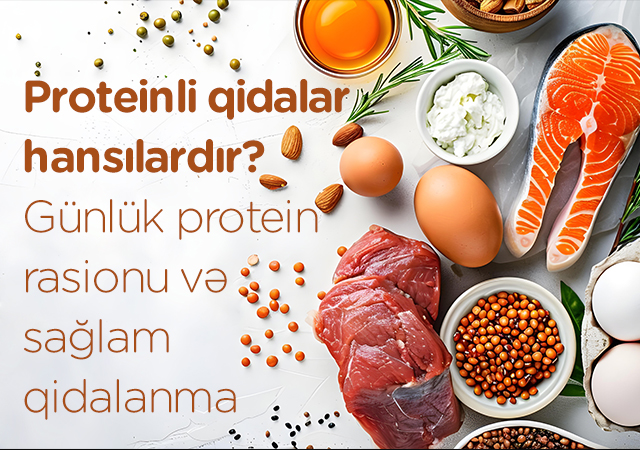
What are protein foods?
Protein sources are mainly divided into two groups: animal and plant sources. It is recommended to include both types in the diet in a balanced manner.
Animal protein sources
Eggs and egg products
Eggs are a complete source of protein, containing high-quality amino acids. They can be used for breakfast or as a snack.
Meat varieties
Products such as chicken, beef, and turkey are rich sources of protein. It is recommended to bake or steam them rather than fry them.
Milk and dairy products
Milk, yogurt, cheese, and kefir are both sources of protein and calcium. They can be easily added to your daily diet.
Plant-based protein sources
Legumes and grains
Legumes such as beans, peas, and lentils, as well as oats and corn grains, are rich in protein. They are the main source of protein for vegetarians.
Nuts and seeds
Products such as almonds, hazelnuts, chia seeds, and flax seeds provide both protein and healthy fats. They can be used in snacks and salads.
How should protein foods be used in your daily diet?
Breakfast: eggs, yogurt or nuts
Lunch: meat or legumes
Dinner: dairy products or fish
Snacks: almonds, hazelnuts, protein smoothie
Such a plan provides balanced protein intake and helps maintain muscle mass and increase satiety.
Protein needs for children
Protein is an essential nutrient for children's physical and mental development. It is recommended that natural protein sources such as eggs, dairy products, meat, fish and legumes be included in the daily diet in an age-appropriate amount.
Why is it important to choose the right protein foods?
Choosing quality protein is not only important for health, but also makes daily nutrition more balanced and satisfying.
Araz has a wide range of products to meet your protein needs:
Milk and dairy products
Eggs
Meat and poultry products
Legumes, nuts and seeds
You can easily meet your body's protein needs by using these products in different combinations according to your daily diet.